Spontaneous chronic urticaria and autoantibodies, a narrative review
DOI:
https://doi.org/10.29176/2590843X.2000Keywords:
Chronic Urticaria, Autoimmunity, Omalizumab, Immunoglobulin E, Histamine H1 AntagonistsAbstract
Introduction: Chronic spontaneous urticaria is a disease that incurs costs of up to $2050 per year per patient in the United States and also impacts the quality of life both mentally and physically, causing sleep disturbances and work interruptions (1,2). It tends to persist in up to 10% of patients for more than 5 years, with most cases being idiopathic, although autoimmune, pseudoallergic, or infectious etiologies are also present (3). It was previously thought that the mast cell was the only protagonist, but it has been seen that its pathophysiology is complex, and different endotypes with varying prognoses and treatment responses have been proposed.
Methods: Narrative review based on a search in the PUBMED, Web of Science, and Scielo databases.
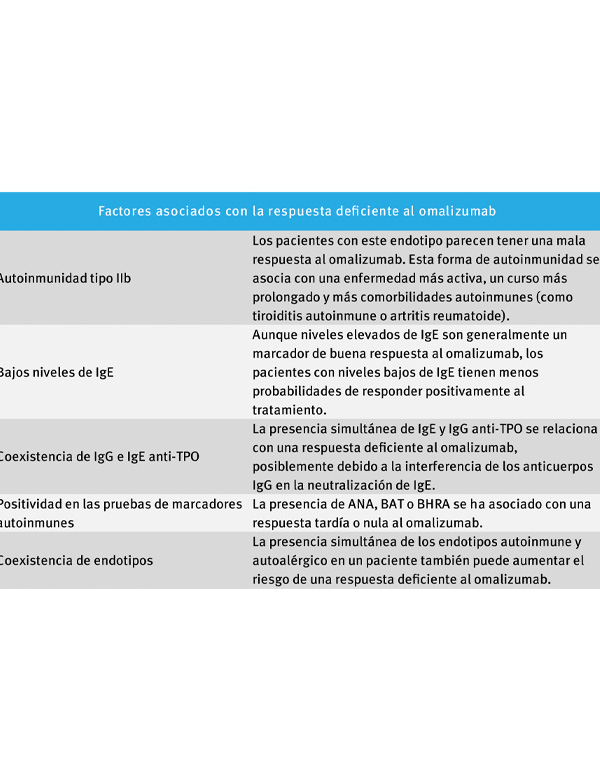
Results and Discussion: A review is presented on what is known about the endotypes; type IIb autoimmunity mediated by IgG or IgM autoantibodies against the alpha subunit of membrane IgE receptors (FceRI) or against the IgE of basophils and mast cells; and type I autoimmunity or autoallergy, mediated by IgE autoantibodies against autoallergens. It has been suggested that patients with a type IIb autoimmune endotype present a more active disease, a more prolonged course, more autoimmune comorbidities, and a lower response to the use of Omalizumab (4–6). Additionally, tests such as APST and ASST exist to guide the diagnosis of chronic spontaneous urticaria of autoimmune etiology and define the best treatment; however, more studies are needed to standardize the tests.
Author Biographies
Veronica Castellanos Molina, Pontificia Universidad Javeriana, Bogotá, Colombia
Residente de Dermatología, Pontificia Universidad Javeriana, Bogotá, Colombia.
Carolina Cortes Correa, Universidad Nacional de Colombia, Bogotá, Colombia
Dermatóloga, Universidad Nacional de Colombia, Bogotá, Colombia.
References
Staubach P, Eckhardt-Henn A, Dechene M, Vonend A, Metz M, Magerl M, et al. Quality of life in patients with chronic urticaria is differentially impaired and determined by psychiatric comorbidity. Br J Dermatol [Internet]. febrero de 2006;154(2):294-8. Disponible en: https://onlinelibrary.wiley.com/doi/abs/10.1111/j.1365-2133.2005.06976.x
Baiardini I, Giardini A, Pasquali M, Dignetti P, Guerra L, Specchia C, et al. Quality of life and patients’ satisfaction in chronic urticaria and respiratory allergy. Allergy [Internet]. julio de 2003;58(7):621-3. Disponible en: https://onlinelibrary.wiley.com/doi/10.1034/j.1398-9995.2003.00091.x
Toubi E, Kessel A, Avshovich N, Bamberger E, Sabo E, Nusem D, et al. Clinical and laboratory parameters in predicting chronic urticaria duration: a prospective study of 139 patients. Allergy [Internet]. agosto de 2004;59(8):869-73. Disponible en: https://onlinelibrary.wiley.com/doi/abs/10.1111/j.1398-9995.2004.00473.x?sid=nlm%3Apubmed
Kikuchi Y, Fann T, Kaplan AP. Antithyroid antibodies in chronic urticaria and angioedema. J Allergy Clin Immunol [Internet]. julio de 2003;112(1):218. Disponible en: https://www.jacionline.org/article/S0091-6749(04)70010-X/fulltext
Gericke J, Metz M, Ohanyan T, Weller K, Altrichter S, Skov PS, et al. Serum autoreactivity predicts time to response to omalizumab therapy in chronic spontaneous urticaria. J Allergy Clin Immunol [Internet]. 1 de marzo de 2017 [citado 5 de junio de 2023];139(3):1059-1061.e1. Disponible en: https://www.jacionline.org/article/S0091-6749(16)31282-9/fulltext
Sánchez J, Sánchez A, Cardona R. Clinical Characterization of Patients with Chronic Spontaneous Urticaria according to Anti-TPO IgE Levels. J Immunol Res [Internet]. 2019;2019:4202145. Disponible en: https://onlinelibrary.wiley.com/doi/10.1155/2019/4202145
Bolognia JL, Schaffer JV, Cerroni. Dermatología. 4 edición. Elsevier; 2019.
Zuberbier T, Balke M, Worm M, Edenharter G, Maurer M. Epidemiology of urticaria: a representative cross-sectional population survey. Clin Exp Dermatol [Internet]. diciembre de 2010;35(8):869-73. Disponible en: https://onlinelibrary.wiley.com/doi/abs/10.1111/j.1365-2230.2010.03840.x
Sánchez J, Sánchez C, López M, Velásquez-Lopera MM. Mecanismos inmunitarios en la patogénesis de la urticaria crónica espontánea. Rev Asoc Colomb Dermatol Cir Dermatológica [Internet]. 16 de abril de 2021 [citado 14 de junio de 2023];29(1):14-28. Disponible en: https://revista.asocolderma.org.co/index.php/asocolderma/article/view/1588
Kolkhir P, Borzova E, Grattan C, Asero R, Pogorelov D, Maurer M. Autoimmune comorbidity in chronic spontaneous urticaria: A systematic review. Autoimmun Rev [Internet]. diciembre de 2017;16(12):1196-208. Disponible en: https://www.sciencedirect.com/science/article/pii/S1568997217302537
Kolkhir P, André F, Church MK, Maurer M, Metz M. Potential blood biomarkers in chronic spontaneous urticaria. Clin Exp Allergy J Br Soc Allergy Clin Immunol [Internet]. enero de 2017;47(1):19-36. Disponible en: https://onlinelibrary.wiley.com/doi/full/10.1111/cea.12870
Zuberbier T, Aberer W, Asero R, Bindslev-Jensen C, Brzoza Z, Canonica GW, et al. The EAACI/GA(2) LEN/EDF/WAO Guideline for the definition, classification, diagnosis, and management of urticaria: the 2013 revision and update. Allergy [Internet]. julio de 2014;69(7):868-87. Disponible en: https://onlinelibrary.wiley.com/doi/full/10.1111/all.12313
Sánchez-Borges M, Ansotegui IJ, Baiardini I, Bernstein J, Canonica GW, Ebisawa M, et al. The challenges of chronic urticaria part 1: Epidemiology, immunopathogenesis, comorbidities, quality of life, and management. World Allergy Organ J [Internet]. junio de 2021;14(6):100533. Disponible en: https://www.sciencedirect.com/science/article/pii/S1939455121000272
Asero R, Ferrucci SM, Calzari P, Consonni D, Cugno M. Thyroid Autoimmunity in CSU: A Potential Marker of Omalizumab Response? Int J Mol Sci [Internet]. enero de 2023 [citado 5 de junio de 2023];24(8):7491. Disponible en: https://www.mdpi.com/1422-0067/24/8/7491
Schmetzer O, Lakin E, Topal FA, Preusse P, Freier D, Church MK, et al. IL-24 is a common and specific autoantigen of IgE in patients with chronic spontaneous urticaria. J Allergy Clin Immunol [Internet]. septiembre de 2018;142(3):876-82. Disponible en: https://www.jacionline.org/article/S0091-6749(17)31875-4/fulltext
Altrichter S, Peter HJ, Pisarevskaja D, Metz M, Martus P, Maurer M. IgE mediated autoallergy against thyroid peroxidase--a novel pathomechanism of chronic spontaneous urticaria? PloS One [Internet]. 12 de abril de 2011;6(4):e14794. Disponible en: https://journals.plos.org/plosone/article?id=10.1371/journal.pone.0014794
Cugno M, Asero R, Ferrucci S, Lorini M, Carbonelli V, Tedeschi A, et al. Elevated IgE to tissue factor and thyroglobulin are abated by omalizumab in chronic spontaneous urticaria. Allergy [Internet]. diciembre de 2018;73(12):2408-11. Disponible en: https://onlinelibrary.wiley.com/doi/abs/10.1111/all.13587
Zhong Y, Zhang X, Chong W. Interleukin-24 Immunobiology and Its Roles in Inflammatory Diseases. Int J Mol Sci [Internet]. 6 de enero de 2022;23(2):627. Disponible en: https://mdpi.com/1422-0067/23/2/627
Maurer M, Altrichter S, Bieber T, Biedermann T, Bräutigam M, Seyfried S, et al. Efficacy and safety of omalizumab in patients with chronic urticaria who exhibit IgE against thyroperoxidase. J Allergy Clin Immunol [Internet]. julio de 2011;128(1):202-209.e5. Disponible en: https://www.sciencedirect.com/science/article/pii/S0091674911006762
Çildağ S, Yenisey Ç, Ünübol M, Şentürk T. Comparison of immunoglobulin E anti-thyroid peroxidase antibodies in patients with Hashimoto thyroiditis and chronic spontaneous urticaria. Med Pharm Rep [Internet]. enero de 2021;94(1):53-7. Disponible en: https://www.ncbi.nlm.nih.gov/pmc/articles/PMC7880074/
Maurer M, Metz M, Bindslev-Jensen C, Bousquet J, Canonica GW, Church MK, et al. Definition, aims, and implementation of GA(2) LEN Urticaria Centers of Reference and Excellence. Allergy [Internet]. agosto de 2016;71(8):1210-8. Disponible en: https://onlinelibrary.wiley.com/doi/abs/10.1111/all.12901
Sanz ML, Prieto I, García BE, Oehling A. Diagnostic reliability considerations of specific IgE determination. J Investig Allergol Clin Immunol [Internet]. 1996;6(3):152-61. Disponible en: https://pubmed.ncbi.nlm.nih.gov/8807505/
Maronese CA, Ferrucci SM, Moltrasio C, Lorini M, Carbonelli V, Asero R, et al. IgG and IgE Autoantibodies to IgE Receptors in Chronic Spontaneous Urticaria and Their Role in the Response to Omalizumab. J Clin Med [Internet]. enero de 2023 [citado 5 de junio de 2023];12(1):378. Disponible en: https://www.mdpi.com/2077-0383/12/1/378
Puccetti A, Bason C, Simeoni S, Millo E, Tinazzi E, Beri R, et al. In chronic idiopathic urticaria autoantibodies against Fc epsilonRII/CD23 induce histamine release via eosinophil activation. Clin Exp Allergy J Br Soc Allergy Clin Immunol [Internet]. diciembre de 2005;35(12):1599-607. Disponible en: https://onlinelibrary.wiley.com/doi/abs/10.1111/j.1365-2222.2005.02380.x
Jang JH, Moon J, Yang EM, Ryu MS, Lee Y, Ye YM, et al. Detection of serum IgG autoantibodies to FcεRIα by ELISA in patients with chronic spontaneous urticaria. PLOS ONE [Internet]. 19 de agosto de 2022 [citado 5 de junio de 2023];17(8):e0273415. Disponible en: https://journals.plos.org/plosone/article?id=10.1371/journal.pone.0273415
Ulambayar B, Chen YH, Ban GY, Lee JH, Jung CG, Yang EM, et al. Detection of circulating IgG autoantibody to FcεRIα in sera from chronic spontaneous urticaria patients. J Microbiol Immunol Infect Wei Mian Yu Gan Ran Za Zhi. febrero de 2020;53(1):141-7.
Baioumy SA, Esawy MM, Shabana MA. Assessment of circulating FCεRIa in Chronic Spontaneous Urticaria patients and its correlation with clinical and immunological variables. Immunobiology [Internet]. diciembre de 2018;223(12):807-11. Disponible en: https://www.sciencedirect.com/science/article/pii/S0171298518300949
Altrichter S, Zampeli V, Ellrich A, Zhang K, Church MK, Maurer M. IgM and IgA in addition to IgG autoantibodies against FcɛRIα are frequent and associated with disease markers of chronic spontaneous urticaria. Allergy [Internet]. diciembre de 2020;75(12):3208-15. Disponible en: https://onlinelibrary.wiley.com/doi/full/10.1111/all.14412
Ertaş R, Hawro T, Altrichter S, Özyurt K, Erol K, Ketenci Ertaş Ş, et al. Antinuclear antibodies are common and linked to poor response to omalizumab treatment in patients with CSU. Allergy [Internet]. febrero de 2020;75(2):468-70. Disponible en: https://onlinelibrary.wiley.com/doi/full/10.1111/all.14033
Alen Coutinho I, Regateiro FS, Fernandes RA, Pita JS, Gomes R, Coelho C, et al. Refractory chronic urticaria in adults: clinical characterization and predictors of severity. Allergy Asthma Clin Immunol Off J Can Soc Allergy Clin Immunol [Internet]. 11 de noviembre de 2020;16(1):97. Disponible en: https://aacijournal.biomedcentral.com/articles/10.1186/s13223-020-00496-0
Kolkhir P, Muñoz M, Asero R, Ferrer M, Kocatürk E, Metz M, et al. Autoimmune chronic spontaneous urticaria. J Allergy Clin Immunol [Internet]. junio de 2022;149(6):1819-31. Disponible en: https://www.jacionline.org/article/S0091-6749(22)00545-0/fulltext
Marcelino J, Baumann K, Skov PS, Pereira Santos MC, Wyroslak I, Scheffel J, et al. What Basophil Testing Tells Us About CSU Patients - Results of the CORSA Study. Front Immunol [Internet]. 2021;12:742470. Disponible en: https://www.frontiersin.org/journals/immunology/articles/10.3389/fimmu.2021.742470/full
Sabroe RA, Greaves MW. Chronic idiopathic urticaria with functional autoantibodies: 12 years on. Br J Dermatol [Internet]. mayo de 2006;154(5):813-9. Disponible en: https://academic.oup.com/bjd/article-abstract/154/5/813/6637094?redirectedFrom=fulltext
Schoepke N, Asero R, Ellrich A, Ferrer M, Gimenez-Arnau A, E. H. Grattan C, et al. Biomarkers and clinical characteristics of autoimmune chronic spontaneous urticaria: Results of the PURIST Study. Allergy [Internet]. 2019 [citado 5 de junio de 2023];74(12):2427-36. Disponible en: https://onlinelibrary.wiley.com/doi/abs/10.1111/all.13949
Maheshwari A, Garg T, Chander R, Debnath E. Chronic spontaneous urticaria: An etiopathogenic study. Indian J Dermatol [Internet]. 1 de enero de 2022 [citado 5 de junio de 2023];67(1):92. Disponible en: https://www.e-ijd.org/article.asp?issn=0019-5154;year=2022;volume=67;issue=1;spage=92;epage=92;aulast=Maheshwari;type=0
Konstantinou GN, Asero R, Maurer M, Sabroe RA, Schmid-Grendelmeier P, Grattan CEH. EAACI/GA(2)LEN task force consensus report: the autologous serum skin test in urticaria. Allergy [Internet]. septiembre de 2009;64(9):1256-68. Disponible en: https://onlinelibrary.wiley.com/doi/10.1111/j.1398-9995.2009.02132.x
Asero R, Tedeschi A, Riboldi P, Cugno M. Plasma of patients with chronic urticaria shows signs of thrombin generation, and its intradermal injection causes wheal-and-flare reactions much more frequently than autologous serum. J Allergy Clin Immunol [Internet]. mayo de 2006;117(5):1113-7. Disponible en: https://www.sciencedirect.com/science/article/pii/S0091674906000054
Konstantinou GN, Asero R, Ferrer M, Knol EF, Maurer M, Raap U, et al. EAACI taskforce position paper: evidence for autoimmune urticaria and proposal for defining diagnostic criteria. Allergy [Internet]. enero de 2013;68(1):27-36. Disponible en: https://onlinelibrary.wiley.com/doi/full/10.1111/all.12056
Maurer M, Weller K, Bindslev-Jensen C, Giménez-Arnau A, Bousquet PJ, Bousquet J, et al. Unmet clinical needs in chronic spontaneous urticaria. A GA2LEN task force report. Allergy [Internet]. marzo de 2011;66(3):317-30. Disponible en: https://onlinelibrary.wiley.com/doi/full/10.1111/j.1398-9995.2010.02496.x
Vestergaard C, Toubi E, Maurer M, Triggiani M, Ballmer-Weber B, Marsland A, et al. Treatment of chronic spontaneous urticaria with an inadequate response to H1-antihistamines: an expert opinion. Eur J Dermatol EJD. 1 de febrero de 2017;27(1):10-9.
Marzano A v., Genovese G, Casazza G, Fierro M t., Dapavo P, Crimi N, et al. Predictors of response to omalizumab and relapse in chronic spontaneous urticaria: a study of 470 patients. J Eur Acad Dermatol Venereol [Internet]. 2019 [citado 5 de junio de 2023];33(5):918-24. Disponible en: https://onlinelibrary.wiley.com/doi/abs/10.1111/jdv.15350
Endo T, Toyoshima S, Hayama K, Tagui M, Niwa Y, Ito M, et al. Relationship between changes in the 7-day urticaria activity score after treatment with omalizumab and the responsiveness of basophils to FcεRI stimulation in patients with chronic spontaneous urticaria. Asia Pac Allergy [Internet]. 10 de abril de 2020 [citado 5 de junio de 2023];10(2):e12. Disponible en: https://www.ncbi.nlm.nih.gov/pmc/articles/PMC7203440/
Asero R. Clinical variables of severe chronic spontaneous urticaria from total IgE standpoint: a retrospective study. Eur Ann Allergy Clin Immunol [Internet]. enero de 2022;54(1):30-3. Disponible en: https://europepmc.org/article/med/33555151
Magen E, Waitman DA, Dickstein Y, Davidovich V, Kahan NR. Clinical-laboratory characteristics of ANA-positive chronic idiopathic urticaria. Allergy Asthma Proc [Internet]. 2015;36(2):138-44. Disponible en: https://www.ingentaconnect.com/content/ocean/aap/2015/00000036/00000002/art00011
Zhang L, Qiu L, Wu J, Qi Y, Wang H, Qi R, et al. IgE and IgG Anti-Thyroid Autoantibodies in Chinese Patients With Chronic Spontaneous Urticaria and a Literature Review. Allergy Asthma Immunol Res [Internet]. enero de 2022;14(1):131-42. 2022;14(1):131-42. https://doi.org/10.4168/aair.2022.14.1.131
How to Cite
Downloads
Downloads
Published
How to Cite
Issue
Section
License
Copyright (c) 2025 Veronica Castellanos Molina, Carolina Cortes-Correa

This work is licensed under a Creative Commons Attribution-NonCommercial-ShareAlike 4.0 International License.
| Article metrics | |
|---|---|
| Abstract views | |
| Galley vies | |
| PDF Views | |
| HTML views | |
| Other views | |